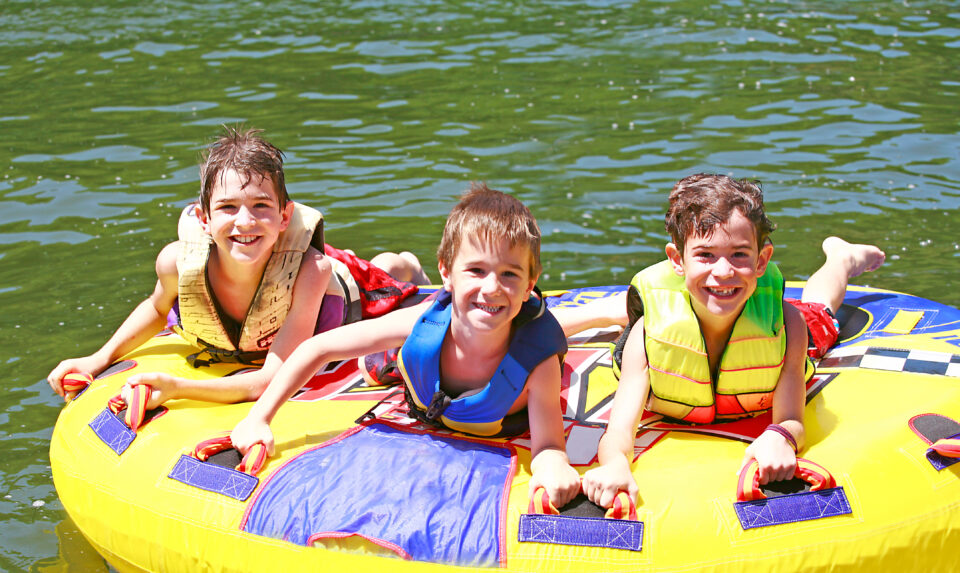
The camp brochure makes it all look so alluring––sunlit cabins, kids grinning with excited faces, and arms tossed around new best friends. It’s easy to picture your child there, soaking up independence and adventure. But then the doubts creep in. Are they really ready? What if they’re homesick? What if they can’t fall asleep without me?
If you’re asking these questions, you’re in good company. Many parents worry about camp readiness for good reason. It’s a huge step. But camp readiness rarely comes down to the number on your child’s birthday cake. It’s much more about developmental readiness.
In fact, when parents shift the focus from age to skills, it becomes easier to see what truly matters: a unique blend of independence, confidence, social skills, and emotional strength. Dr. Chris Thurber, author of The Summer Camp Handbook, notes, “The age at which a young person might go to overnight camp for the first time depends a lot on their previous life experiences. It really is going to depend on the parent or primary caregiver looking carefully at the child’s readiness, which depends on the previous experience that child has had away from home.”
With that in mind, here is a developmental checklist to help you see the full picture:
The Independence Index: Beyond Tying Shoes
A natural starting point is day-to-day self-care. Can your child handle the basics? Can they brush their teeth well, take a thorough shower (hair included), or change their clothes without constantly being reminded?
What about maintaining a bit of order? Can your child keep track of their stuff or regularly tidy their space? Camp doesn’t require perfection, but it does require awareness and effort.
Experts say that while camp counselors are supportive, they can’t be expected to be valets or housekeeping staff. A child who has practiced simple routines at home arrives feeling capable rather than overwhelmed.
Independence also shows up in how they handle small setbacks. When they spill a drink, do they instantly seek an adult, or do they go find a paper towel on their own? Those small moments of initiative offer big clues about readiness.
Are They Socially Ready?
While independence matters, social readiness plays an equally important role. Overnight camp is one long group project, with shared cabins, shared meals, and shared activities. Social readiness isn’t just about having friends. It’s about navigating constant interaction.
Think about your child’s ability to compromise, share, take turns, and bounce back after conflict. Kids who can weather minor social bumps tend to thrive in camp. In fact, a study in the Journal of Applied Developmental Psychology found that children with stronger social problem-solving skills were not only happier at camp but also felt less lonely.
It’s also helpful to consider how your child views new experiences. If their fear of missing out on what their friends at home are doing outweighs their excitement for adventure, camp may feel more stressful than fun. Conversely, a child who lights up at novelty is often ready to dive right in.
Finally, observe their general coping style. When they face something tough, do they try again, or do they shut down quickly? Camp strengthens resilience, but that growth starts with being able to tolerate small frustrations, like missing the bullseye in archery, navigating cabin disagreements, or learning a challenging new skill.
The Emotional Resilience Meter
Anticipating Homesickness: Even mature kids feel shaky at times, and experts say that homesickness at camp is very normal. In one study, 83% of sleepaway campers reported feeling homesick at some point.
The goal isn’t to avoid homesickness. It’s to equip your child to handle it. Think about their past experiences away from home. Have they regularly spent the night at Grandma’s or had sleepovers with friends? These “practice separations” build confidence.
Another key factor is your own readiness. Children read their parents’ emotional temperature with startling accuracy. If you’re anxious, they will be too.
Dr. Tina Payne Bryson, co-author of The Whole-Brain Child, encourages parents to reflect on whether their concerns are rooted in their child’s discomfort or their own. She explains that children build true resilience with “the right kind of adversity with the right kind of support” ––exactly what the right camp can provide.
If You’re Still Unsure
If you’re still on the fence, there are ways to ease into camp, like:
- Try a shorter session. Some camps offer three or four-day beginner programs that give kids the full experience without the long separation.
- Invite a friend to sign up too. A familiar face can soften the transition and boost confidence.
- Try a day camp with an optional overnight. Even one night away can be a great test run.
Ultimately, sending your child to sleepaway camp is an act of trust––trust in them, in the camp, and in the growth that comes from stepping into something new. When they come home taller (figuratively, or maybe literally) and bursting with stories, you’ll know the decision was worth it.