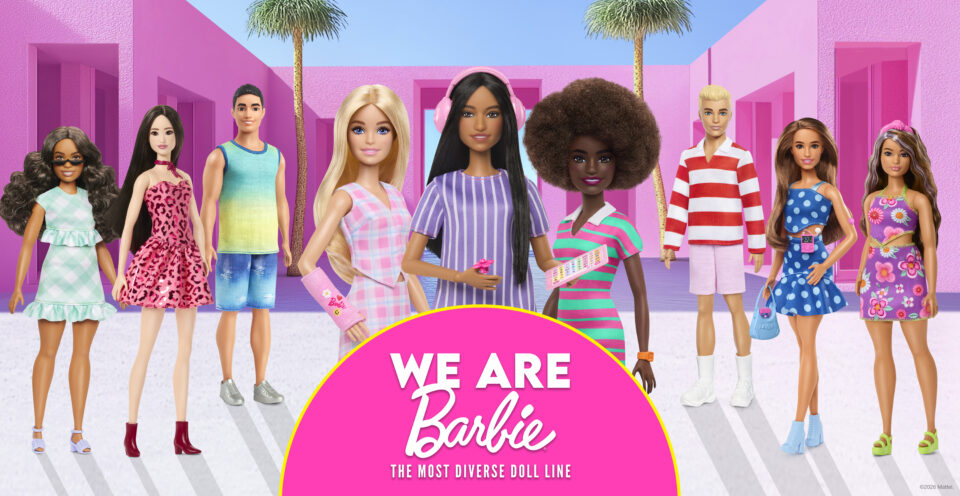
It is finally here: the first-ever autistic Barbie doll. Unveiled on Sunday, the doll was created with guidance from the autistic community to represent common ways autistic people may experience, process, and communicate about the world around them. With this doll, more children will be able to see themselves represented in Barbie.
“Barbie has always strived to reflect the world kids see and the possibilities they imagine, and we’re proud to introduce our first autistic Barbie as part of that ongoing work,” said Jamie Cygielman, Global Head of Dolls, Mattel in a press release. “The doll, designed with guidance from the Autistic Self Advocacy Network, helps to expand what inclusion looks like in the toy aisle and beyond because every child deserves to see themselves in Barbie.”
In close participation with a non-profit disability rights organization run by and for autistic people, ASAN, the Barbie design team made intentional design choices for the Barbie doll to authentically reflect some experiences individuals on the autism spectrum may relate to:
- Body: the autistic Barbie doll features elbow and wrist articulation, enabling stimming, hand flapping, and other hand gestures that some of the members of the autistic community use to process sensory information or express excitement.
- Eye Gaze: the doll is designed with an eye gaze that is shifted slightly to the side – reflecting how some members of the autistic community may avoid direct eye contact.
- Accessories: each doll comes with a pink finger clip fidget spinner, noise-cancelling headphones, and a tablet.
- Sensory-Sensitive Fashions: the Barbie wears a loose-fitting, purple pinstripe, A-line dress with short sleeves and a flowy skirt that provides less fabric-to-skin contact. Purple shoes complete the outfit, with flat soles to promote stability and ease of movement.
Consistent with the Fashionistas dolls representing individuals with type 1 diabetes, Down syndrome and blindness, the autistic Barbie doll was named and created with the community’s guidance to allow more children to see themselves in Barbie.
To celebrate the launch, Barbie will donate over 1,000 autistic Barbie dolls to leading pediatric hospitals that provide specialized services for children on the autism spectrum. The autistic Barbie doll is now available on Mattel Shop and from major retailers.